


















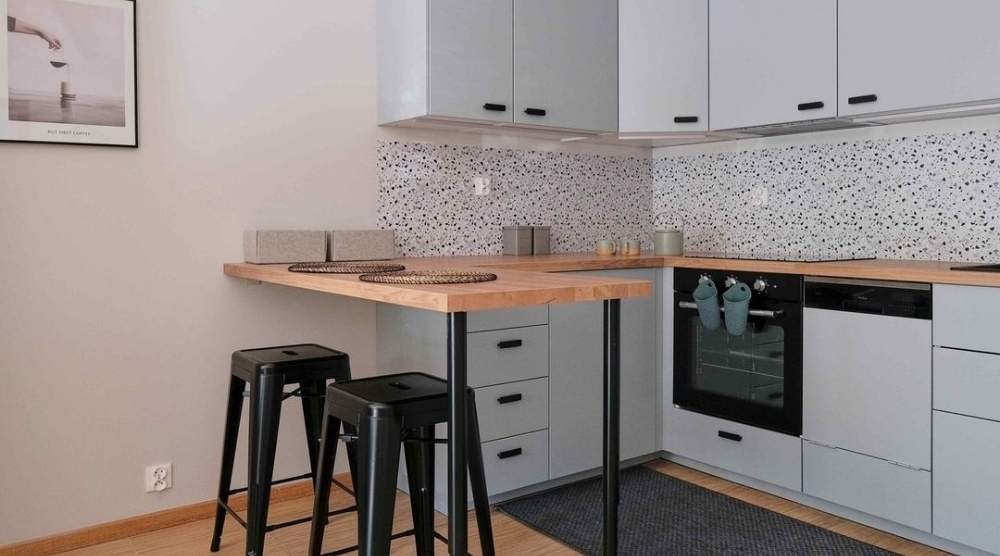

The prospect of chiseling off old tiles can effectively cool any enthusiasm for changes. It’s associated with the noise of a hammer drill, omnipresent dust seeping into every crevice of the apartment, tons of heavy rubble, and weeks taken out of your life. Meanwhile, stripping old tiles generates more debris and dust than most of us can tolerate during standard household work.
Wondering what to cover old tiles with so your space gets a second life without a cumbersome renovation? We have great news: professional renewal of old tiles without chiseling is possible, fully structurally safe, and delivers spectacular results. Modern materials allow you to create a durable, captivating finish directly on the existing floor or wall. Discover the best tricks for a quick interior refresh without dust and unnecessary costs.
Vinyl panels - the king of a quick floor makeover
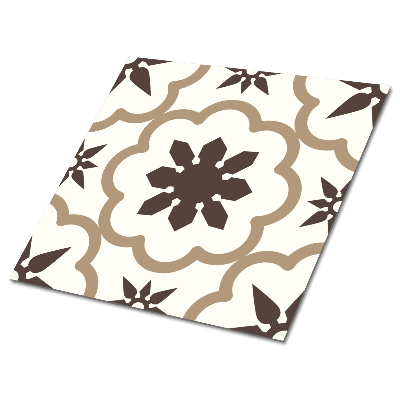
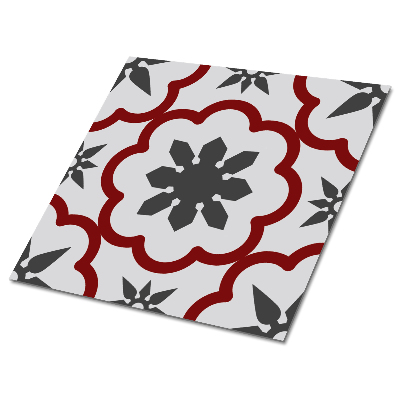
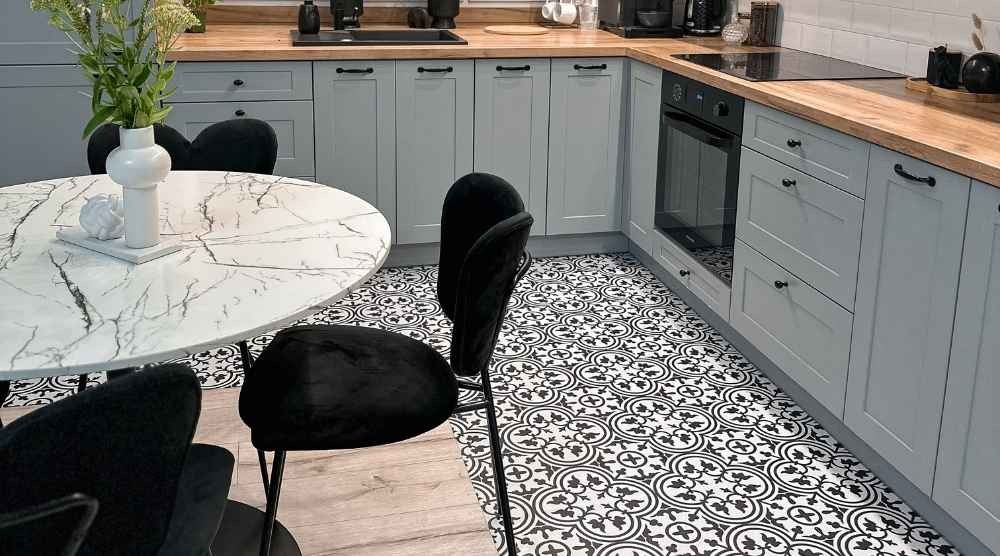
When you’re considering what to put over old floor tiles, the undisputed favorite among designers is vinyl panels. The market is dominated by two variants: classic flexible LVT and self-adhesive vinyl panels. Their biggest advantage is that they are thin and waterproof, so the new layer raises the floor level by only a few millimeters, usually eliminating the need to trim door leaves.
Many homeowners ask whether vinyl panels can be laid directly on old tiles. The answer is: yes! Modern vinyl panels are fully waterproof and easy to install.


A wide range of designs includes realistic textures imitating natural wood (such as whitewashed oak or rustic walnut) and raw stone. If you want a warm-to-the-touch floor and a quick refresh, vinyl is the ideal choice. In dry zones of the home, an alternative can be modern laminate panels with increased moisture resistance, which are increasingly used in bathrooms; however, in wet zones vinyl still remains unmatched.
Tile over tile - lasting elegance without hauling rubble
The classic solution of laying new ceramics over existing tiles is one of the most robust paths to a makeover. Installing new tiles over old ones saves time and disposal costs, while guaranteeing top resistance to mechanical damage for a long time.
To lay new tiles successfully, you must absolutely check the stability of the old tiling. A hollow sound when tapping indicates detachment - removing loose elements increases the durability of the new cladding and protects against cracking.
Microcement - seamless concrete and a modern touch
If you dream of a modern look in the spirit of loft or minimalist japandi, microcement over old tiles will work perfectly. It’s an innovative mortar based on cement and polymers that creates a uniform, smooth surface completely free of joints.
Microcement is applied in a thin layer over old tiles - typically, microcement can be applied in a 2–3 mm layer. This makes it easy to cover both old floor tiles and old wall tiles, and even a bathtub casing or a washbasin countertop.
Microcement creates a modern, seamless surface, which is finally protected with a dedicated polyurethane varnish. This treatment makes the coating fully resistant to moisture, soap stains, and direct contact with water, making it a fantastic choice for renovating a bathroom and the shower area.
Painting tiles and resins - a makeover with a brush in hand
When the budget is limited and the priority is an immediate refresh, painting tiles becomes the natural choice. It’s worth knowing what to realistically expect. Traditional painting of tiles with acrylic paints often lasts only a few months, especially in heavily used zones. However, if you reach for advanced renovation paints, it’s a completely different story.
Epoxy paints are popular for painting old tiles because epoxy resins create an exceptionally hard, waterproof coating, resistant to scrubbing and household chemicals. Good-quality epoxy paints are designed for damp rooms and successfully transform old ceramic tiles. For zones exposed to direct water action, you can choose a specialist polyurethane enamel or an acrylic renovation paint with a dedicated hardener.
Remember the technical rigor: tile paints require cleaning and dulling the surface, as well as thorough degreasing. Painting them lets you cheaply change the color scheme, masking outdated 90s decors.
Large-format wall boards and stickers - express installation
What to put on old wall tiles to avoid laborious grouting? Leading in this category are modern wall panels as well as waterproof wall and composite boards:
Composite panels: Waterproof composite panels allow you to cover old tiles in just one afternoon. Wall panels should be mounted on clean and stable tiles using a strong mounting adhesive. They create an aesthetic, large-format sheet imitating marble, concrete, or wood.
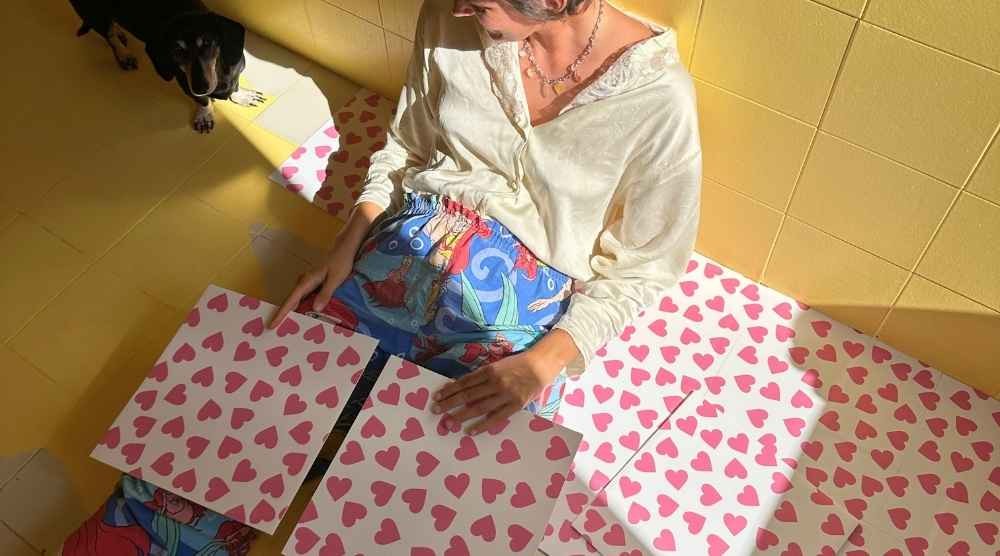
Self-adhesive tile stickers: This is a cheap and quick way to transform single decors or the strip above the countertop in the kitchen. Moisture-resistant self-adhesive films can be easily applied and removed without a trace, which makes them a fantastic option for people renting an apartment.
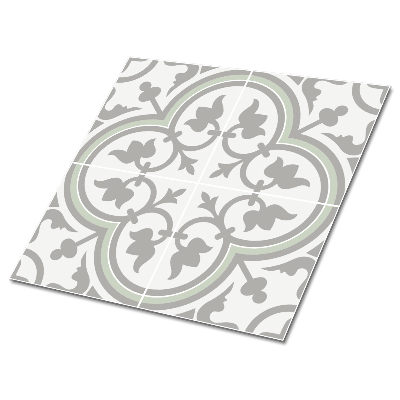
Self-adhesive panels and vinyl tiles: Extremely easy to cut with a utility knife, they are an excellent accessory for spot touch-ups and an instant change of arrangement.


Golden rules of substrate preparation - the foundation of a successful renovation
Regardless of whether you choose vinyl panels, microcement, or laying new tiles, proper substrate preparation is crucial to the durability of the new finish. No material, even the most expensive, will hold on a dirty, greasy, or moving base.
Adhesion verification: Old ceramic tiles must be fully stable before applying new materials. All the „hollow” tiles must be chiseled off, and any voids filled with a fast-setting leveling compound.
Thorough cleaning and degreasing: The surface of the old tiles should be thoroughly cleaned of limescale, soap residue, and grease using strong cleaning agents or acetone.
Sanding: The surface of the old tiles should be dulled with coarse-grit sandpaper (e.g., P40–P60) or a grinder to break the slippery glaze and give the substrate grip.
Surface leveling: Grout lines must be leveled and filled before applying new materials, especially before installing thin LVT panels or microcement, so that the joint pattern does not telegraph through the new floor.
A quick apartment makeover without chiseling is not only a saving of thousands of zlotys on demolition crews, but also peace of mind and a clean interior in a few days. The choice of method depends on the condition of the existing tiles, your budget, and the room’s purpose. Take care with meticulous substrate preparation, choose your favorite decor, and create a modern, stunning interior for years!