

















When designing a kitchen, you don't have to limit yourself to classic tiles. Ceramic tiles are durable and practical, but they don't always match the desired visual effect. Contemporary materials allow you to create an original wall that will be resistant to moisture, dirt, and everyday use. What to put on the kitchen wall instead of tiles to combine an attractive look with functionality?
There are many options, from glass and stone, through wall panels, to wallpapers and specialist paints. When choosing a material, you should pay attention not only to its color or texture, but also to easy cleaning, resistance to high temperatures, and mechanical damage. A well-chosen material can completely change the character of the kitchen and make the interior more cohesive.
Tempered glass above the kitchen countertop
Tempered glass is one of the most common answers to the question of what to finish the kitchen wall with instead of traditional tiles. It is resistant to moisture, dirt, and high temperatures, so it can be installed above the worktop, near the sink, and the stove.
Tempered glass is a modern and hygienic solution, especially recommended for heavily used kitchens. Its smooth surface has no grout lines where grease, dust, and food residues could accumulate. The smooth surface means you only need to wipe it with a damp cloth to restore its aesthetic appearance.
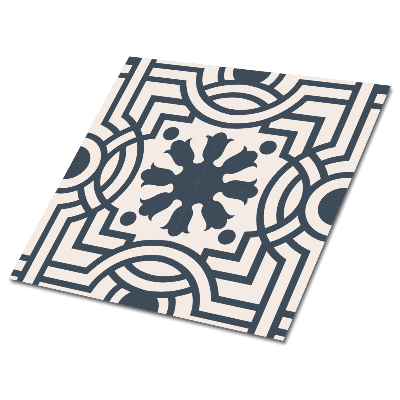
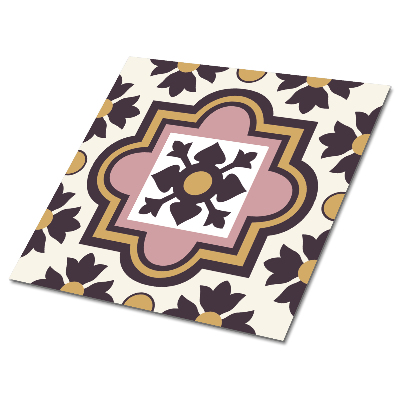
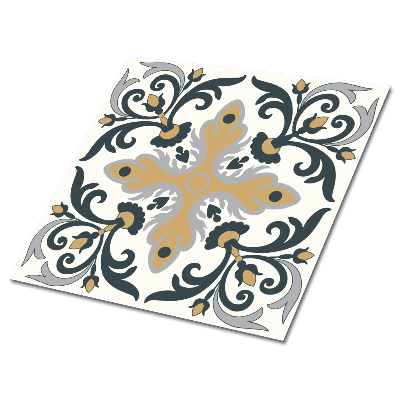
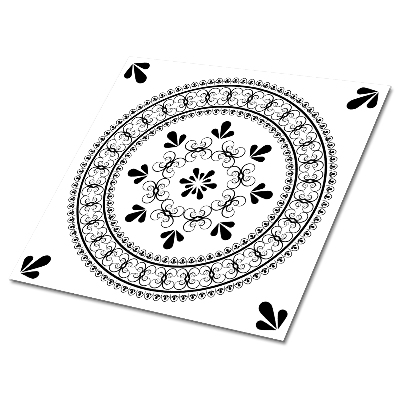
Glass panels are available in a wide range of colors and patterns. They can feature botanical, geometric, or landscape motifs, stone imitations, or solid colors. Such a broad offering allows you to match the decoration to your kitchen’s style. Glass panels are easy to keep clean, resistant to moisture and high temperatures, and their surface reflects light and visually enlarges the space. This is an excellent solution for smaller kitchens and for those who value functionality and modern aesthetics.
Laminated board and MDF
Wall panels can be made of laminate or MDF. MDF boards and laminates offer great design freedom because they come in various patterns, colors, and textures. They can imitate wood, concrete, marble, brick, or metal.
A laminated board pairs perfectly with kitchen furniture and can serve as an extension of the countertop. Laminates are distinguished by easy installation and easy cleaning. Their smooth surface makes maintenance simple, and most stains can be wiped off with a damp cloth.
MDF boards require proper protection against moisture, especially in areas exposed to water. Not every variant is suitable directly behind the stove. Before purchasing, it is worth checking the selected product’s resistance to high temperatures.
An interesting choice is also 3D panels, which give the kitchen a modern look and individual character. It’s best to use them outside the intense cooking zone, as the uneven texture can be more demanding to keep clean.
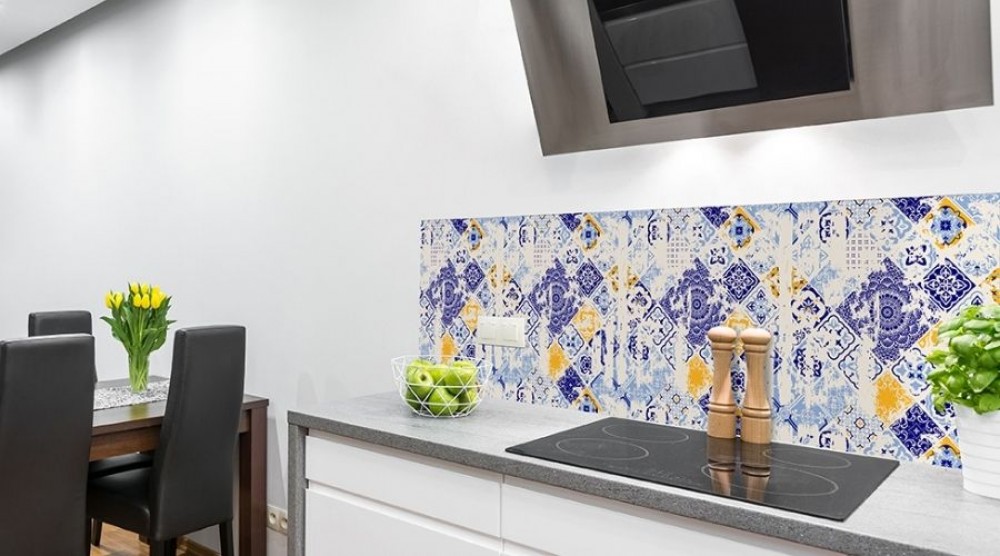
Vinyl and self-adhesive panels above the kitchen countertop
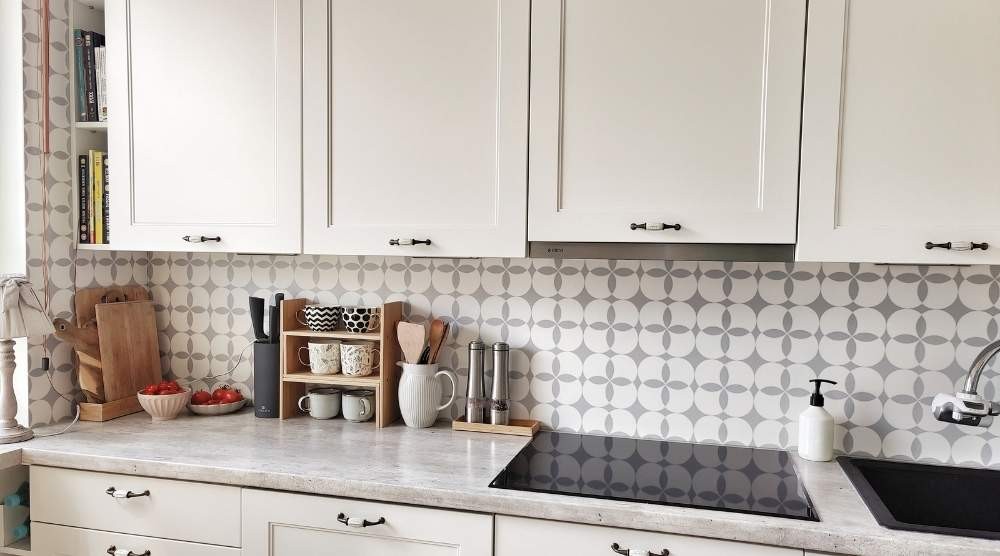
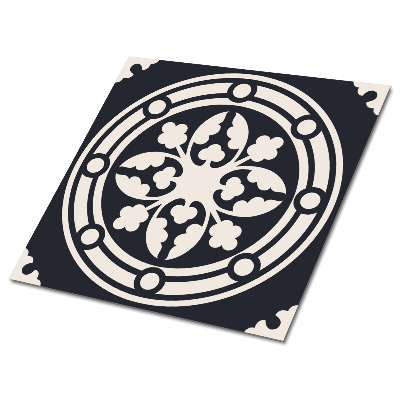
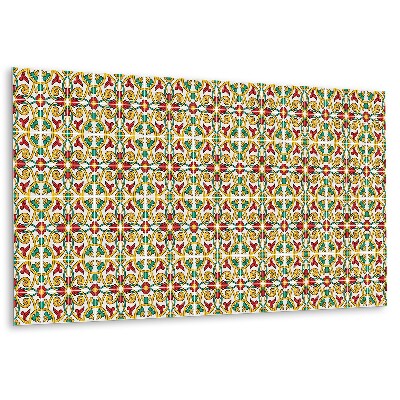
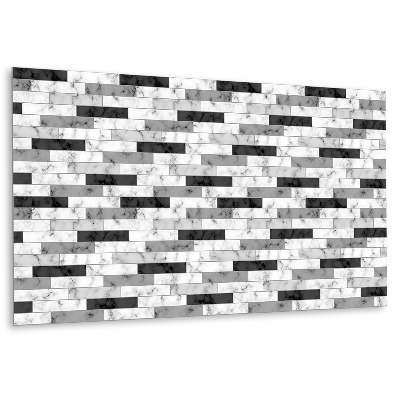
Vinyl panels are completely waterproof, so they work well near the sink and the kitchen countertop. They are available in a wide range of decors, making it easy to match them to the interior style. Their advantages include ease of installation, moisture resistance, and simple maintenance.
Self-adhesive panels are a practical option for people who want to quickly refresh a wall without chipping off the old finish. They can imitate traditional tiles, stone, wood, or mosaic. They’re a good solution for rental apartments and quick makeovers, but before installation, make sure the manufacturer allows their use in areas exposed to heat.
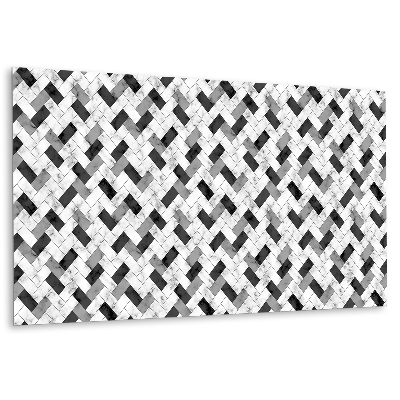
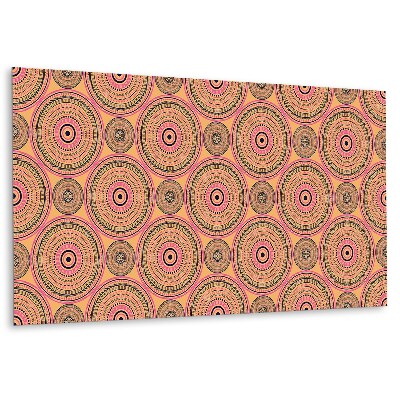
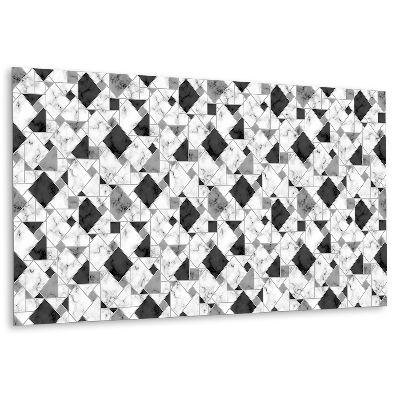
A modern alternative - vinyl wallpaper in the kitchen
Vinyl wallpaper is resistant to moisture, grease, and typical kitchen dirt. Unlike regular wallpaper, its surface can be cleaned with a damp cloth. It’s an aesthetic solution that allows you to introduce patterns into the interior that are difficult to achieve with tiles.
Wallpaper can create a unique wall feature and give the kitchen character without a costly renovation. Floral motifs work well in classic arrangements, while in modern kitchens you can use geometric patterns, marble, or concrete imitations.
In the area directly above the stove, it’s worth protecting the wallpaper with a transparent panel. Combining wallpaper with glass preserves the decorative effect while improving ease of cleaning.
A modern look - washable, chalkboard, and magnetic paints
Washable paints intended for kitchens are moisture-resistant and allow you to remove minor stains without damaging the coating. This is a modern alternative to tiles, especially where household members want to maintain a minimalist wall finish.
Chalkboard paint lets you create a surface for writing shopping lists, recipes, or messages for household members. Magnetic paint, on the other hand, can function as an organizer for notes and photos. Both solutions give the space an individual character, but in the immediate vicinity of the stove it’s worth using additional protection.
Specialist kitchen paints are washable and moisture-resistant. Their advantages include a wide color range, a low makeover cost, and the ability to quickly change the arrangement.
Architectural concrete and textured plaster
Architectural concrete is resistant to moisture and stains, provided it has been properly sealed. It fits perfectly with industrial and loft-style interiors. Combined with black accents, wood, and metal, it creates a raw yet elegant composition.
Textured plaster gives kitchen walls an interesting surface. It can imitate concrete, stone, or a distressed finish. Due to its porous structure, it requires appropriate sealing, which facilitates cleaning and limits grease absorption.
Concrete and plaster are proposals for those seeking practical solutions that also stand out with a decorative effect.
{photo2}
Natural stone as a luxurious finish
Natural stone, especially granite, is resistant to high temperatures, moisture, and mechanical damage. It can be used both on the countertop and on the wall above the kitchen counter. Such a combination creates a cohesive, elegant surface.
Natural stone is a luxurious solution for the kitchen. It introduces elegance to the interior and emphasizes its timeless style.
Granite works perfectly in everyday use because it is durable and resistant to high temperatures.
Marble requires more caution and regular sealing, as it can absorb stains and react to acidic substances.
Within the wide range of available varieties, you can find light, dark, solid-colored, and heavily veined stones. This allows you to match the finish to the color of the cabinet fronts, floor, and countertop.
Stainless steel for a modern kitchen
Stainless steel is a durable and hygienic material, which is why it has been used in professional kitchens for years. It is resistant to water, high temperatures, and intensive use. It looks good above the stove and the worktop.
Its smooth surface means it does not absorb liquids or odors. A damp cloth and a mild detergent are enough to remove grease and cooking marks.
This solution fits primarily with modern kitchen arrangements, as well as industrial and minimalist styles. Combined with wood, stainless steel takes on a cozier character.
Wood and wooden wall panels
Wooden panels warm up the interior and create a natural, welcoming atmosphere. Wood pairs perfectly with white, black, concrete, and stone. It can be used in Scandinavian, rustic, and classic kitchen arrangements.
The material requires sealing to be water-resistant. Regular sealing and prompt removal of dirt are also necessary. In the stove area, the wood should be additionally protected with glass or replaced with a material more resistant to high temperatures.
An alternative to natural wood is laminated panels, which retain the look of boards but are easier to maintain.
{photo3}
How to choose a material for the kitchen wall?
When deciding what to use in the kitchen instead of tiles, you need to consider the installation location:
Above the sink, water resistance is most important
above the stove, resistance to high temperatures and grease.
In the remaining parts of the kitchen, you can opt for more decorative solutions such as chalkboard paint, textured plaster, or wallpaper.
It is worth paying attention to aesthetic appearance, ease of installation, and ease of cleaning. The material should match the kitchen furniture, countertop color, and the overall style of the kitchen. In small interiors, glass, mirrors, and light surfaces work well, while in spacious rooms you can use stone, concrete, or wooden panels.
The wall above the countertop - combine style with functionality
There is no single solution suitable for every arrangement. Tempered glass and glass panels provide a modern aesthetic and ease of maintenance. Vinyl panels are waterproof and easy to install, vinyl wallpaper offers a wide range of decorations, and stainless steel works well in heavily used kitchens.
The kitchen wall can be finished in many ways instead of tiles. The most important thing is that the chosen material matches the conditions in the given place and suits your kitchen. A well-planned surface above the kitchen countertop not only protects the wall but also becomes a striking decoration that can completely transform the interior’s style.